

Embracing Tropical Modernism: How Interior Architects Miami Are Redefining Sustainable Design
Miami has long been celebrated for its vibrant culture, stunning coastline, and iconic architecture. But in recent years, the city’s design identity has developed, led by a new generation of Miami interior design professionals who blend aesthetic sophistication with environmental responsibility. At the forefront of this movement is the Interior Architect Miami — a specialist from an interior design studio offering innovative interior design services that merge tropical modernism with sustainable design to create spaces that are as conscious as they are beautiful, much like those seen in Brazil.
The Rise of Tropical Modernism
Tropical Modernism, a style born from the desire to adapt international modernist principles to hot, humid climates, is a perfect fit for South Florida. Characterized by open spaces, natural ventilation, and a strong indoor-outdoor connection, this design language is increasingly favored by Miami homeowners, boutique hotels, and commercial developers. Its roots can be traced to architectural greats like Paul Rudolph and tropical design pioneers in Southeast Asia, Its development in Miami brings a distinctly local flavor — breezy, bold, and bright.
An Interior Architect in Miami plays a critical role in interpreting this style within interior spaces. These professionals transform structures into serene, livable environments by using materials like polished concrete, FSC-certified tropical hardwoods, woven fibers, and expansive low-emissivity glass. Their work reflects a harmony between built form and nature, offering interiors that are both luxurious and laid-back.
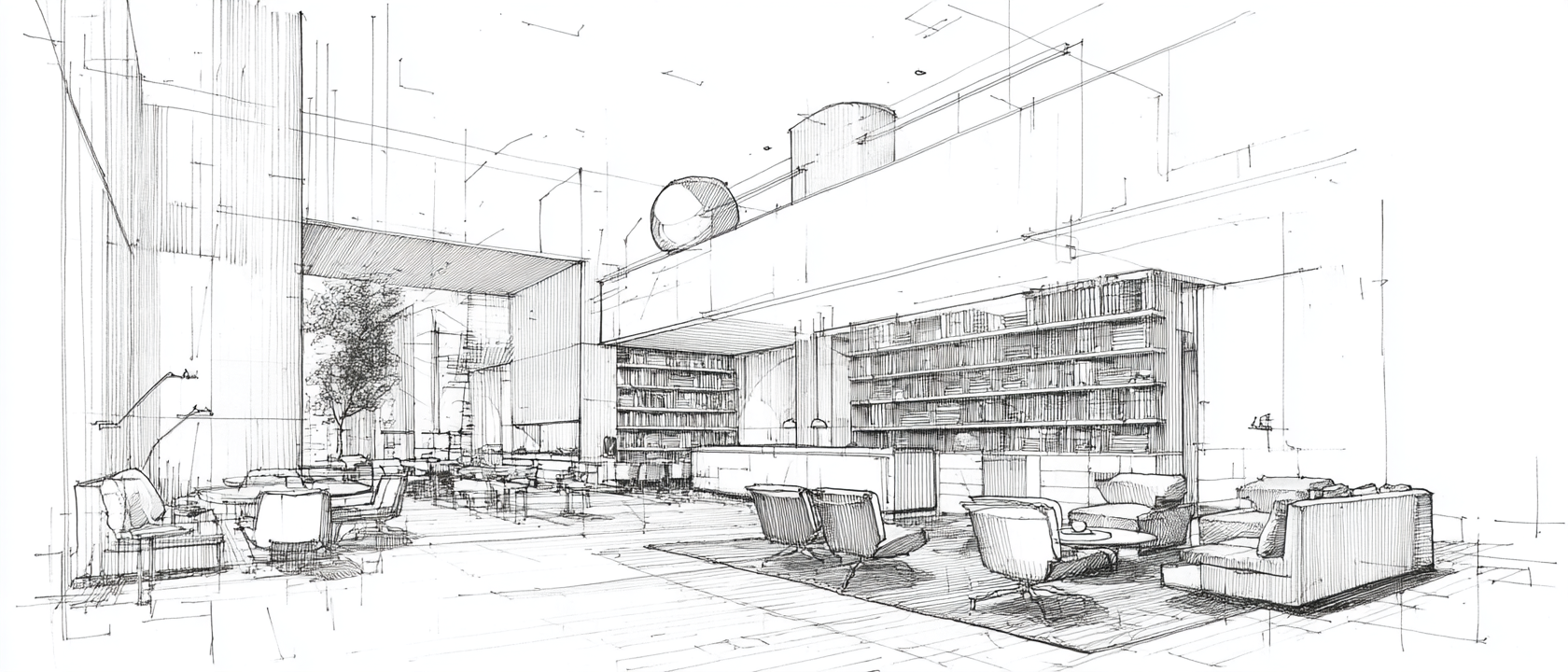
Case in point: The transformation of mid-century homes in neighborhoods like Morningside or Coconut Grove, where interior architects utilize space planning to revitalize outdated layouts into open-plan living room sanctuaries rich with natural textures and abundant greenery.
Sustainability as a Standard
With rising sea levels, hurricane threats, and increasing temperatures, Miami’s design community is embracing sustainability as more than a trend — it’s a necessity. Interior architects in Miami are leading this shift by incorporating green building standards such as LEED and WELL certification, as well as Biophilic Design principles, to ensure both environmental stewardship and occupant wellness.
Firms like Arquitectonica Interiors and Urban Robot Associates are pioneers in this field. These studios design interiors that prioritize energy efficiency, adaptive reuse, and environmental integration, providing high-quality renderings that showcase their vision. They understand the delicate balance of maximizing natural light without excessive heat gain, often using cross-ventilation layouts, deep roof overhangs, and light-colored finishes to maintain thermal comfort.
Also, many Miami-based interior architects are working closely with builders and developers to ensure that sustainability is woven into the project from the ground up — from the choice of HVAC systems to water-efficient fixtures and even green roofs where zoning allows.
Local Materials, Global Impact
One of the hallmarks of Miami’s new design ethos is the use of locally sourced and climate-appropriate materials. Interior architects are increasingly specifying resources native to South Florida, such as:
- Coral stone: Often used for accent walls or flooring in wet zones due to its resilience.
- Oolite limestone: A porous, textured material with historic use in South Florida homes.
- Reclaimed Dade County pine: Once used in early 20th-century homes, this extremely dense wood is now salvaged for bespoke furnishings and flooring.
These materials aren’t just sustainable — they tell a story of place. Using it grounds a project in Miami’s unique geological and cultural context, providing authenticity that mass-produced materials simply can’t offer.
Smart Living Meets Island Style
Luxury in Miami isn’t just about aesthetics anymore — it’s about intelligence. Today’s Interior Architect Miami must also be fluent in smart technology, integrating automation systems that control lighting, HVAC, security, and even artwork preservation.
The fusion of smart tech with tropical design elements gives rise to interiors that are both soulful and state-of-the-art. Picture motion-activated natural fiber blinds, app-controlled ambient lighting that mimics sunset hues, energy-efficient ceiling fans designed in collaboration with local artists, and thoughtfully selected accessories that enhance the overall aesthetic. The goal: effortless living with minimal environmental impact.
Developers of ultra-modern condos in Edgewater and custom villas in Coral Gables now expect smart integration as standard — and interior architects are rising to the challenge with flair and technical precision.
Conclusion
As Miami continues to grow as an epicenter of design innovation, the Miami area interior designers and Miami interior designers are emerging as key players in shaping the city’s next architectural chapter alongside esteemed interior design firms. By fusing tropical modernism with sustainability, these professionals are creating interiors that not only reflect global design trends but are deeply rooted in South Florida’s unique lifestyle and environmental realities.
Whether you’re renovating a beachfront condo in South Beach, designing a hospitality space in Wynwood, or building an eco-conscious villa in Coconut Grove, collaborating with local interior architects, project managers, and specialized subcontractors ensures your complete renovations are both future-forward and distinctly Miami.
Frequently Asked Questions
What is the difference between an interior architect and an interior designer?
An interior architect focuses on structural and spatial design, often involving layout changes, construction planning, and compliance with building codes. An interior designer primarily works on aesthetics, furnishings, and decor.
When should I hire an interior architect for my project?
Hire an interior architect during the early planning stages, especially if your project involves altering layouts, removing walls, or complying with structural regulations.
How much does it cost to hire an interior architect in Miami?
Costs vary based on the project’s size and complexity. On average, fees can range from 10% to 20% of the total construction budget or be billed hourly or per square foot.
Can interior architects help with small-scale re-models?
Yes, interior architects can add value even to smaller projects by optimizing space, ensuring code compliance, and improving functionality.
Do I need permits for interior architectural changes in Miami?
Yes, many structural changes require permits in Miami. An interior architect can guide you through the permitting process and ensure all designs meet local codes.